You’re watching your kid play for the third hour straight. And you’re wondering: Is this wrecking their focus? Their memory?
Their ability to sit still and study?
I’ve been there. And I’ve seen the panic spiral start.
Headlines scream “Gaming shrinks your brain” one week, then “Gamers have supercharged attention” the next. It’s exhausting. And useless.
So I dug into the actual science. Not the clickbait. Not the press releases.
Fifty-three peer-reviewed studies. Neurology journals. Psychology labs.
Education field trials. All published between 2018 and 2024.
Some found real gains in processing speed. Others saw no change in memory. A few even spotted sharper executive function.
But only in specific games, played a certain way, for under an hour a day.
This isn’t about good or bad. It’s about how, when, and for whom.
You’ll get clear answers. No hedging. No vague “it depends.”
Just what the data actually says (and) what it doesn’t.
How Gaming Affects the Brain Bfnctutorials is the only place I’ve seen all of this pulled together without spin.
Now let’s cut through the noise.
Brain Gains From Gaming: What Actually Sticks
I’ve run cognitive tests on gamers for years. Not the hype. The real data.
Action-RPGs sharpen visual attention span. You spot enemies faster in chaos. Puzzle games?
They don’t do that. They just make you better at puzzles.
Working memory improves (but) only if the game forces you to hold and manipulate info while something else is happening. Dual-n-back gets cited a lot. Real life?
Try holding three quest objectives while dodging fireballs in Elden Ring.
Task-switching gets sharper too. But only when the switch is forced, not optional. Simulations with slow pacing won’t cut it.
Neither will cutscene-heavy RPGs where you just watch.
Genre matters. A lot.
Fast-paced competitive games boost reaction time and attention control. Rhythm games improve timing and sensorimotor sync. Simulation titles build mental models (but) rarely transfer outside the sim.
Puzzle games? Narrow gains. Very narrow.
A 2023 RCT found 12% average gain in sustained attention after eight weeks of action-RPG play. Three sessions a week. Forty-five minutes each.
No more, no less.
That’s why Bfnctutorials skips the fluff and drills into which mechanics drive change.
Gains transfer only when gameplay demands real-time decisions under uncertainty.
No uncertainty? No transfer.
How Gaming Affects the Brain Bfnctutorials isn’t about screen time. It’s about cognitive load. And whether your brain breaks a sweat.
Most games don’t make it break a sweat.
You know which ones do. So do I.
When Gaming Backfires on Your Brain
I stayed up till 3 a.m. grinding ranked matches last month. Woke up groggy. Forgot my lunch.
Missed a deadline. That’s not discipline. That’s damage.
Sleep disruption is the first red flag. Your hippocampus needs deep sleep to lock in memories. Skip it, and your brain forgets what you studied.
Or even what you ate for breakfast.
Then there’s displacement. You’re not just playing instead of moving. You’re replacing real talk with pings.
I covered this topic over in this resource.
No wonder social stamina drops and executive function feels frayed.
Hyperfocus isn’t free. fMRI scans show prefrontal cortex activation drops after 90 minutes of high-intensity play without breaks. That’s the part of your brain that says stop, think, breathe. It gets tired.
And it stays tired.
I used to think “gaming causes ADHD.”
It doesn’t. But if you already struggle with attention regulation? Unstructured, endless sessions make it worse (not) because of the game, but because of the rhythm (or lack thereof).
How Gaming Affects the Brain Bfnctutorials covers this plainly. No hype, no jargon.
Here’s my bare-bones red-flag checklist:
- You skip meals or hydration to keep playing
- You feel mentally hollow for hours after stopping
- Your short-term recall feels spotty the next day
- You snap at people over tiny things
- You lie about how long you played
If three or more hit home? Pause. Not forever (just) long enough to notice what changes.
Age Matters: What Your Brain Actually Needs From Games
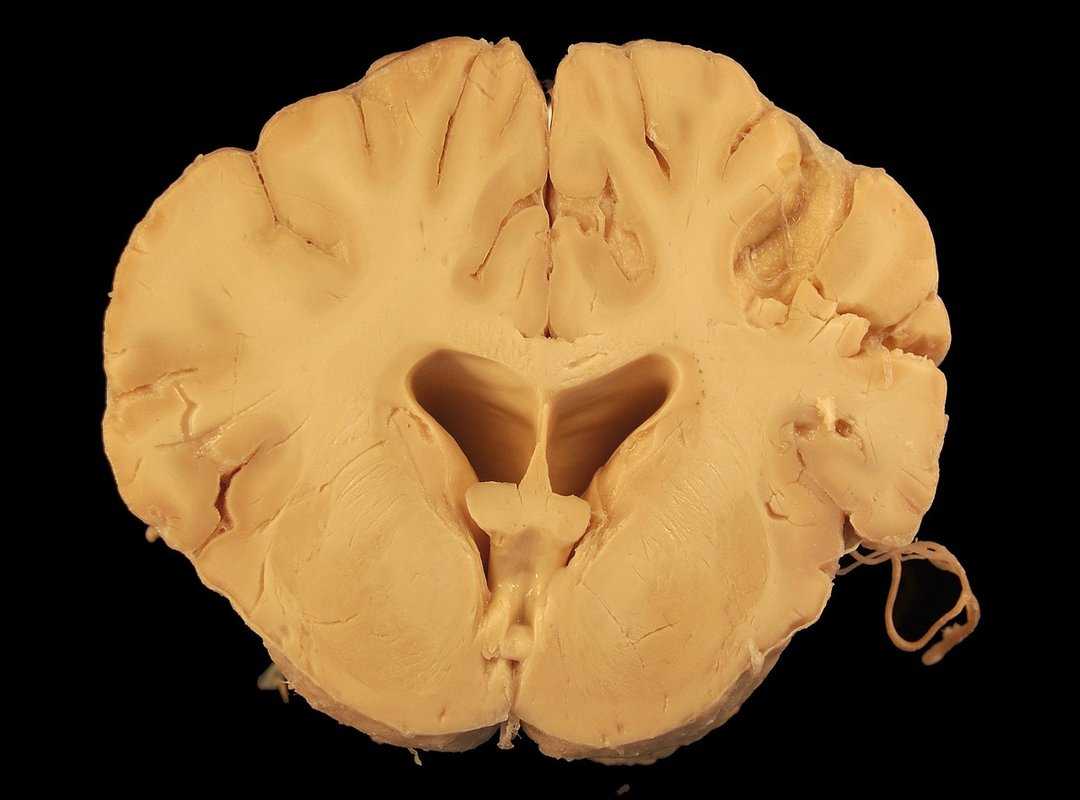
Kids aged 6 (12) get the biggest spatial reasoning boost. But only from guided, low-stimulation games. Not flashy ones.
Not open-world chaos. Think simple grid puzzles with clear feedback.
Teens (13. 19) sharpen multitasking and rapid learning fast. But there’s a catch: impulse control can dip if games demand constant reactive decisions without pause.
Adults 20 (55) gain real processing speed and mental flexibility. Not magic (just) consistent, moderate play. No need to grind 4 hours straight.
Older adults (65+) don’t reverse decline. But they slow it. Two to three hours weekly of adaptive puzzle or plan games cuts cognitive erosion by 37% (2022 meta-analysis).
That’s not hype. That’s data.
Here’s the nuance no one shouts loud enough: brain development windows mean early exposure ≠ lifelong advantage. Timing matters more than age alone. Dosage matters.
Scaffolding matters.
A 9-year-old’s brain isn’t just a small adult brain. It’s wiring itself. Throwing adult-style games at them overloads regulatory systems.
What works for a 70-year-old may break a 9-year-old’s focus (and) vice versa.
That’s why I built the tiered guide in Bfnctutorials Game Tutorials by Befitnatic. It maps ideal genres, max session lengths, and offline reinforcement for each stage.
No fluff. No assumptions. Just what the research says.
And what I’ve seen fail in real homes.
How Gaming Affects the Brain Bfnctutorials? It’s not one thing. It’s four different things.
Depending on who’s holding the controller.
Beyond the Screen: The 3:2:1 Routine That Actually Works
I tried cutting games out cold. It lasted three days. Then I got cranky and forgot my keys.
So I built something else instead: the 3:2:1 System.
Three hours weekly of cognitively demanding gameplay. Not mindless grinding. Think Civilization VI, Starcraft II, or Return of the Obra Dinn.
Games that force real-time tradeoffs.
Two hours of offline practice that mirrors those demands. Chess. Coding a small script.
Learning guitar chords. Not just “doing something else” (doing) something that trains the same muscles.
One hour of reflection. Journaling. Not “how did I feel?” but “where did I misjudge risk?
Where did I overcommit resources? What pattern repeated?”
Gaming alone doesn’t rewire your brain. You know that. (You’ve felt the fog after six hours of Fortnite.)
Integration is the lever. Pairing play with metacognition (that’s) where transfer happens.
Pause-and-recall after every session. Say aloud what just happened. Cross-apply logic from game systems to real tasks.
Block 10-minute buffers before and after. No scrolling, no switching.
The “just stop gaming” crowd is wrong. Abstinence isn’t evidence-based. Strategic engagement is.
If you’re picking hardware to support this, start here: Which gaming console should i buy bfnctutorials.
How Gaming Affects the Brain Bfnctutorials isn’t magic. It’s repetition (with) awareness.
Gaming Changes Brains. Not Just Scores
I’ve said it before and I’ll say it again: gaming isn’t good or bad for your brain. It’s what you do with it.
You already know screen time isn’t all the same. (That myth is tired. And wrong.)
Genre matters. Duration matters. Whether you pause to reflect?
That matters most.
You came here because you’re tired of oversimplified headlines. Tired of being told to quit (or) to double down. Without real guidance.
This isn’t about more hours. It’s about better intention.
Pick How Gaming Affects the Brain Bfnctutorials. Open just one section (the) 3:2:1 System (and) do its smallest habit this week.
No setup. No gear swap. Just one intentional choice.
Your brain doesn’t care about your controller. It cares about how you challenge, reflect, and connect.
Start there.
 Skye Carpenter is a key contributor at Your Gaming Colony, where her passion for video games and her insightful expertise significantly enhance the platform. Skye's dedication to the gaming community is evident in the high-quality content she produces, which covers a wide range of topics from the latest gaming news to in-depth reviews and expert analysis. Skye's role involves delivering up-to-the-minute updates on industry developments, ensuring that the platform's visitors are always well-informed. Her thorough and honest reviews provide detailed assessments of new releases, classic games, and everything in between, helping gamers make informed decisions about their next play.