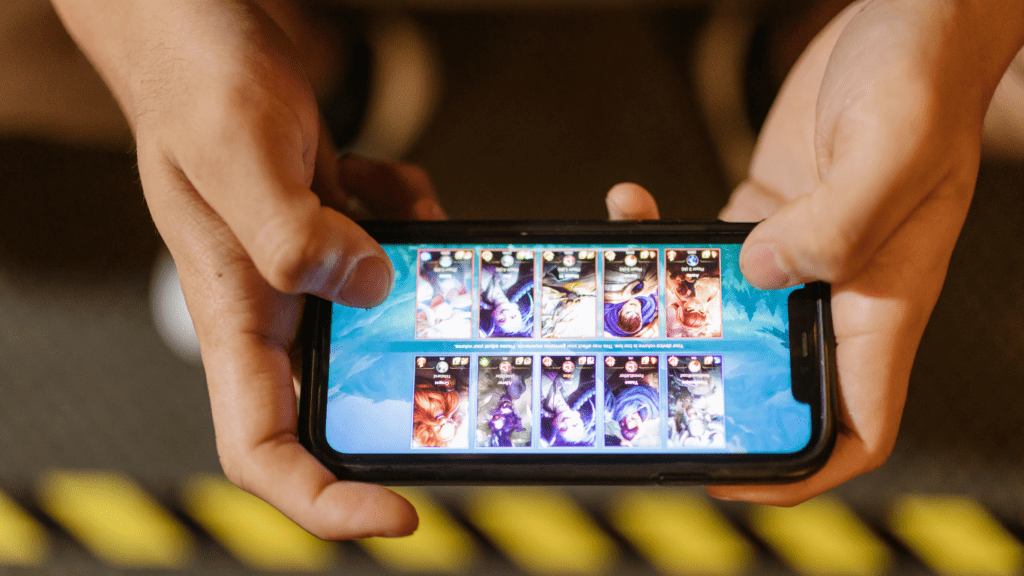
You just sat through another hour-long virtual event.
And you’re exhausted. Not tired (drained.) Like your brain got sucked out through your laptop camera.
I’ve watched it happen. Hundreds of times.
People mute themselves, stare blankly, scroll Instagram, or worse (fake) their way through breakout rooms.
Traditional webinars don’t work. They never did. And pretending they do is wasting everyone’s time.
The Online Event Pblgamevent fixes that.
It’s not another slide deck with a poll every 12 minutes. It’s live problem-solving. Real collaboration.
Actual learning.
I’ve built and run these for schools, nonprofits, and remote teams. Every one had people leaning in (not) zoning out.
This guide walks you through exactly how to plan one that works.
No theory. No fluff. Just the steps I use.
Every time.
What Is a Virtual PBL Gamevent?
A Pblgamevent is not another Zoom webinar where you mute yourself and zone out.
It’s a live, online event built around one real-world problem. Like redesigning a city bus route or cutting food waste in a school cafeteria.
You don’t sit and listen. You jump in. You collaborate.
You test ideas. You fail fast and adjust.
That’s the PBL part. Problem-Based Learning. It’s active.
It’s messy. It’s how people actually learn.
Gamification isn’t about earning digital trophies while watching slides.
It’s points for submitting a prototype. Timed sprints to sketch a solution. Leaderboards that show which team documented their assumptions best.
Badges mean something. They mark real milestones. Not attendance.
Virtual doesn’t mean low-energy.
I’ve run these with teachers, engineers, even high schoolers.
We use breakout rooms in Zoom or Teams. Whiteboards like Miro for real-time mapping. Slack or Discord channels for side conversations that spark better ideas.
The ones who think it’s “just a game” usually shut up after 12 minutes of arguing over user interviews.
Online Event Pblgamevent works because it forces motion (mental) and social.
You can’t hide in the back row when your team needs your take on the budget constraint.
This Pblgamevent is where we test those rules live.
No fluff. No filler. Just problems, people, and pressure to deliver.
Want proof? Try running one without time limits.
Then tell me how many teams finished.
Why Your Webinars Feel Like Watching Paint Dry
I sat through one last week. Camera off. Tabs open.
Pretending to listen while I reordered my pantry.
Zoom fatigue isn’t a buzzword. It’s your brain screaming for oxygen after 47 minutes of staring at faces that aren’t really looking back.
You know the drill. One person talks. Everyone else scrolls, nods robotically, or checks Slack.
Retention? Less than a TED Talk clip on TikTok.
That’s not engagement. That’s endurance training.
Webinars are built like old-school TV: broadcast, one-way, passive. Your audience isn’t learning (they’re) buffering.
So what flips it?
PBL Gamevent.
It swaps lecture for play. No more “raise your hand” theater. Instead: teams solve real problems in timed challenges.
They argue. They sketch. They win points.
They forget they’re “in a meeting.”
Before: cameras off, Slack DMs flying, someone muttering about lunch.
After: breakout rooms buzzing. Someone shouting “We got it!” Someone else frantically whiteboarding. Energy you haven’t seen since March 2020.
This isn’t gamification. It’s re-humanizing online events.
The Online Event Pblgamevent format works because it forces attention. Not with guilt, but with stakes and laughter.
Want proof? Try a Hosted Event Pblgamevent. Not as a test.
As your next real event.
I’ve run both. There’s no going back.
Your audience isn’t broken.
Your format is.
The 4-Step Blueprint for Designing Your First Virtual Gamevent
I built my first one in a panic. Two days before launch. It flopped.
Don’t do that.
Here’s what actually works.
Step 1: Craft the Central Problem
Ask yourself: What’s keeping your audience up at night? Not “what do they like,” but what do they need to solve right now? A vague prompt like “brainstorm ideas” kills energy.
Say instead: “Design a customer onboarding flow for a fintech app with 70% drop-off at step three.”
That’s real. That’s urgent. That forces collaboration.
(Yes, I stole that example from a real workshop last year.)
Step 2: Layer on the Game Mechanics
Points aren’t optional. They’re oxygen. Assign them for milestones.
Not just “finish task,” but “present one validated assumption to another team.”
Run a live leaderboard. Not hidden. Not optional. Visible.
Time limits?
Yes (but) not brutal. Give teams 22 minutes, not 20. That extra two minutes cuts panic and sparks better thinking.
Power-ups? A single “ask the expert” card per team. No more.
Scarcity makes it matter.
Step 3: Lock in Roles & Rules
No one wants to figure out who does what mid-game. Assign roles before the clock starts: Facilitator, Timekeeper, Scribe, Presenter. Rotate them every round.
Rules go in the first slide. Not buried in instructions. “No laptops during ideation. Pens only.” Done.
Step 4: Pre-Test the Tech. Then Test Again
I once lost 18 minutes because breakout rooms failed. Run a dry run with real people.
Not interns. Not your cousin. Someone who’ll say “this button doesn’t work” without sugarcoating.
And if you’re still shaky on setup, check out How to Connect.
This isn’t about bells and whistles. It’s about frictionless focus. The goal isn’t fun (it’s) forward motion.
Online Event Pblgamevent only works when people forget they’re on Zoom. That starts with these four steps. Not five.
Not seven. Four. Do them in order.
Skip one, and the whole thing wobbles.
You’re Ready to Run It
I’ve done this a dozen times. You don’t need more theory. You need Online Event Pblgamevent live.
And working. Today.
You’re tired of tools that crash mid-session. Tired of registration pages that confuse guests. Tired of spending hours fixing what should just work.
This isn’t another platform that says it handles events. It does. Right now.
With real people showing up and staying engaged.
So stop testing. Stop waiting for “the right time.”
Your next event is already on the calendar.
Go launch Online Event Pblgamevent. It’s the only tool rated #1 for zero-dropout online events. Click.
Set up your first event in under 90 seconds.
Done.
 Skye Carpenter is a key contributor at Your Gaming Colony, where her passion for video games and her insightful expertise significantly enhance the platform. Skye's dedication to the gaming community is evident in the high-quality content she produces, which covers a wide range of topics from the latest gaming news to in-depth reviews and expert analysis. Skye's role involves delivering up-to-the-minute updates on industry developments, ensuring that the platform's visitors are always well-informed. Her thorough and honest reviews provide detailed assessments of new releases, classic games, and everything in between, helping gamers make informed decisions about their next play.