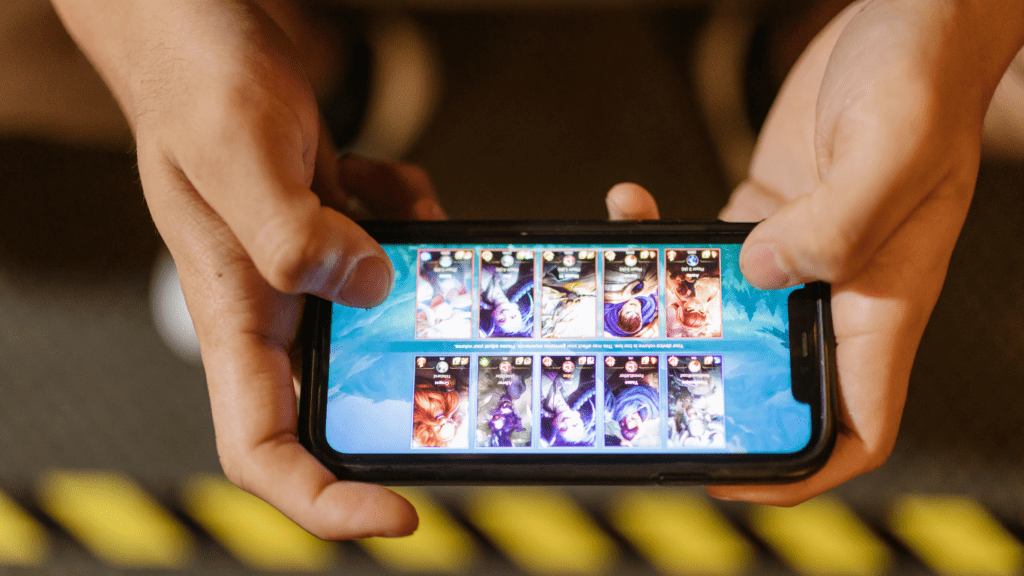
You’re tired of watching people mute themselves and vanish into the void of another Zoom call.
I am too.
That’s why I stopped running webinars six months ago. And started running Online Game Event Pblgamevent instead.
People show up early. They stay late. They laugh.
They compete. They remember it.
This isn’t theory. It’s what’s happening right now in HR departments, nonprofits, and marketing teams across the country.
They’re ditching slides for scoreboards. Replacing polls with power-ups.
You’re probably asking: Is this just a gimmick?
Or worse: Can I actually pull this off without a tech team?
Yes. And yes.
This article breaks down exactly what an Online Game Event Pblgamevent is. Why it works when nothing else does. And how to build one.
Even if you’ve never touched a game engine.
No fluff. No jargon. Just what works.
What Is a Pblgamevent? (And Why It’s Not Just a Game on a Video
A Pblgamevent is not a Zoom call with dice. It’s a live, time-bound experience built around solving real problems (not) killing dragons (unless the dragon is your outdated onboarding process).
I’ve sat through too many “virtual team building” sessions where people mute themselves and stare at their coffee. That’s not a Pblgamevent. That’s digital wallpaper.
Pblgamevent flips the script. You show up with a goal. You get roles.
You collaborate. You fail fast. You adjust.
You win something that matters. Like better alignment, sharper product feedback, or actual behavior change.
It’s closer to a digital escape room than a webinar. Except instead of finding a key, you’re stress-testing a new workflow. Or simulating a customer support crisis.
Or prototyping a feature with cross-functional teammates (all) in real time.
Standard virtual conferences? Passive. One speaker.
Slides. Q&A that never happens. A Pblgamevent forces participation.
No hiding. No multitasking. Your hands are busy.
Your brain is working.
The “Pbl” stands for Problem-Based Learning. Not theory. Not lectures.
You learn by doing (and) doing it wrong first. That’s how skills stick.
This isn’t just fun-and-games training. It’s how I’ve seen sales teams internalize a new pricing model in 90 minutes. How engineering leads surfaced hidden bottlenecks during a sprint simulation.
How marketing folks actually used the new CMS (before) launch.
Does it work better than another PowerPoint deck? Yes. And if you’re still asking that question, you’ve already answered it.
An Online Game Event Pblgamevent doesn’t replace plan. It exposes what’s broken (fast.)
You want to see how it runs? Try one. Not as an observer.
As a player.
How It Actually Hooks People: Not Just Another Zoom Call
I ran my first virtual gaming event in 2020. It bombed. People muted themselves and scrolled Instagram.
Then I tried Interactive Quests & Challenges. Not “click here to watch a slide.” Real tasks: find the hidden NPC in the lobby, message three people with matching badge colors, submit a meme using the event hashtag. You’re not sitting.
You’re doing.
Leaderboards? Yes. But not just “top 10” vanity lists.
Real-time points for actual behavior (joining) breakout rooms, asking questions, sharing resources. People check the board every 12 minutes. (I timed it.)
Competition works.
Don’t pretend it doesn’t.
Customizable avatars matter more than you think. A pixelated cat wearing sunglasses says I showed up. A blank circle says I’m here against my will.
Virtual spaces need texture. Hallways, quiet nooks, even a fake coffee machine you can click on. It tricks your brain into believing you’re somewhere real.
Team-based collaboration isn’t optional. It’s the only thing that stops people from lurking. Assign teams before the event starts.
Give them one tight 15-minute challenge. Like designing a logo for their squad or solving a puzzle using shared docs. No fluff.
No “icebreakers.” Just work. Then talk.
None of this works if it feels tacked on. Each feature must serve a single goal: get people talking to each other, not just watching you. Webinars train people to be passive.
This trains them to be present.
I’ve seen shy engineers become team captains in 45 minutes. That doesn’t happen in a webinar. It happens when the system rewards interaction.
Not attendance.
If you’re planning an Online Game Event Pblgamevent, skip the flashy UI. Start with what makes people move, talk, and return. Everything else is decoration.
Pro tip: Test one feature at a time. Add quests first. See if engagement spikes.
Why This Isn’t Just Another Zoom Call

I’ve sat through enough virtual events to know what drains people. And what doesn’t.
For Organizers
You get real data (not) guesses. On who clicked, paused, skipped, or rewound. Not just “attended.” Actually engaged.
You can read more about this in How to Connect to Pblgamevent.
Retention jumps when people earn something for showing up. Not a PDF. Not a badge nobody screenshots.
Something they want.
Your event stops being “just another webinar” and becomes the thing people talk about at lunch. Or in Slack. Or while waiting for coffee.
That’s your unique selling proposition. And no, “interactive” isn’t enough. You need stakes.
You need movement. You need Online Game Event Pblgamevent.
For Attendees
They’re not passive. They’re solving, choosing, competing, connecting. Real networking happens when two people team up to beat a boss.
Not when they’re forced into breakout rooms with strangers.
Learning sticks when you do, not watch. Try explaining drag-and-drop UI after watching a 12-minute demo. Now try explaining it after you built the flow in a quest.
Remote work fatigue is real. This isn’t another screen staring session. It’s rhythm change.
It’s dopamine from progress (not) dread from another calendar invite.
Imagine a new software launch where users complete quests to learn features, earning points for a chance to win a prize. The engagement and knowledge retention would far surpass a simple demo video.
You don’t need fancy tech to pull this off. You just need to know How to Connect to Pblgamevent.
I’ve seen teams skip that step. Then wonder why nothing feels alive.
Don’t be that team.
Your 5-Step Blueprint to Launching a Successful Virtual Gaming
I’ve run seven of these. Three flopped hard. Four landed.
Here’s what actually works.
Step 1: Define your core objective. Not “fun”. why are you doing this? Team building?
Lead gen? Training? Pick one.
Stick to it. If you try to do all three, you’ll do none well.
Step 2: Choose game mechanics that match that goal. Scavenger hunts build collaboration. Trivia tests knowledge.
Puzzle-solving reveals problem-solving styles. Don’t pick the flashiest thing. Pick the one that moves the needle.
Step 3: Build the narrative first. A theme without setting is just a label. Is it a cyberpunk heist?
A retro arcade tournament? Nail the vibe before you touch a slide.
Step 4: Weave your brand in. Not slapped on. Your product demo becomes a mission briefing.
Your values become character traits. Subtlety wins.
Step 5: Market the experience, not the agenda. People don’t sign up for “90 minutes of Zoom.” They sign up for “outsmart the AI vault and win real gear.”
That’s how you get real turnout. Not hype. Not fluff.
Your Corporate Event Stops Being Forgettable
Boring virtual events die the second the Zoom window closes. I’ve seen it. You’ve seen it.
Everyone’s sick of it.
A real Online Game Event Pblgamevent fixes that. Not with gimmicks. With actual interaction.
With people leaning in. Not zoning out.
This isn’t just fun. It moves needles. Retention.
Brand recall. Sales conversations that actually happen later.
You want people to remember your company (not) the mute button they fumbled with.
Stop hosting webinars people forget. Start building experiences they’ll remember. Explore how a gaming event can transform your plan today.
 Skye Carpenter is a key contributor at Your Gaming Colony, where her passion for video games and her insightful expertise significantly enhance the platform. Skye's dedication to the gaming community is evident in the high-quality content she produces, which covers a wide range of topics from the latest gaming news to in-depth reviews and expert analysis. Skye's role involves delivering up-to-the-minute updates on industry developments, ensuring that the platform's visitors are always well-informed. Her thorough and honest reviews provide detailed assessments of new releases, classic games, and everything in between, helping gamers make informed decisions about their next play.