You’re already imagining it.
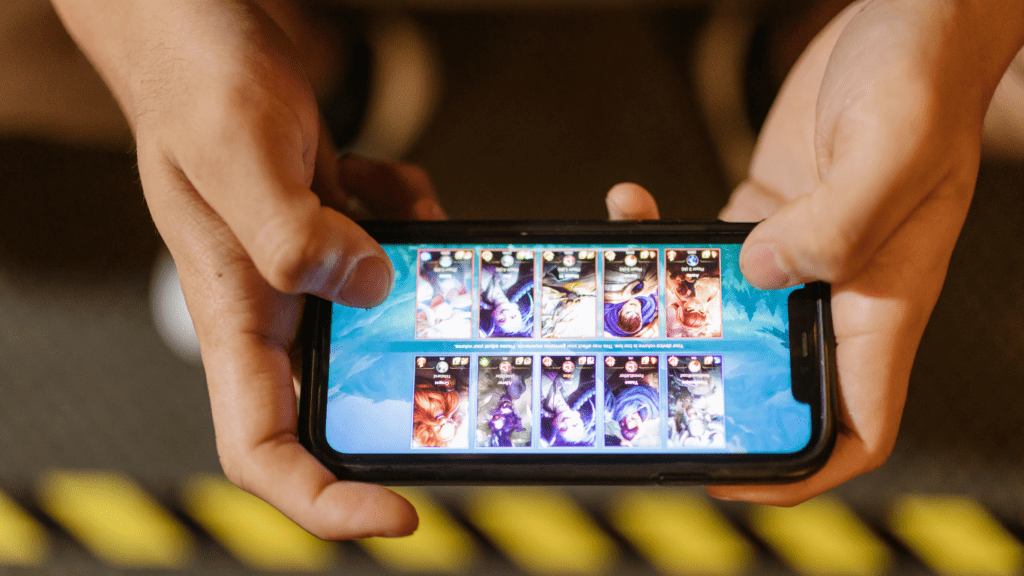
A room full of people. Screens lit up. Controllers clicking.
Laughter bouncing off the walls.
But then reality hits.
How do you even start with Pblgamevent? Venue contracts. Power load calculations.
Tournament brackets that don’t collapse by Round 2.
I’ve run six public gaming events from scratch. None of them had a perfect first try.
One failed because the outlet panel tripped every 17 minutes. Another almost got shut down over noise complaints (we fixed it. With better speaker placement, not apologies).
This isn’t theory. It’s what worked. Every time.
I’m giving you the exact steps (no) fluff, no guesswork.
Just a real plan for a real event.
You’ll know where to begin. What to skip. And how to keep it fun instead of frantic.
Start Here: Your Event’s North Star
I start every event with one question.
What is the primary goal of your event?
If you can’t answer that in under ten seconds, stop. Go make coffee. Come back when it’s clear.
A clear vision isn’t fluffy. It’s your filter for every decision after this. No exceptions.
Is this a Competitive Tournament? Like Street Fighter or Valorant. Ranked, timed, with brackets and prize money.
Or a Casual LAN Party? Bring-your-own-computer, pizza on the floor, no scoreboard pressure. Maybe it’s a Themed Celebration.
Think Retro Gaming Night with CRTs and NES cartridges. Or a Charity Fundraiser? Where every entry fee goes to a local food bank.
Each type pulls different people.
And that leads straight to your target audience.
Hardcore players want low-latency networks and tournament-grade monitors. Families need seating, quiet zones, and non-gaming activities. Retro fans care about authenticity (not) Wi-Fi speed.
That audience choice decides your venue size. Your snack budget. Even whether you rent gear or tell people to bring their own.
Budget planning starts with realism. Not hope. Not “maybe we’ll get sponsors.”
Start with what you know you can spend.
Key expense categories: Venue Rental, Prize Pool, Equipment Rental (if not BYOC), Marketing/Promotion, Snacks/Refreshments. Yes. Snacks matter.
Hungry people leave early.
Pblgamevent gives real examples of how others nailed this step. Or blew it. I studied fifteen events last year.
The ones that started with a tight vision finished under budget. The rest? Overran by 40% average.
So ask yourself again: What is the primary goal of your event? Answer it now. Not later.
Venue, Power, Internet (The) Real Boss Fight
You pick the coolest theme. You book the hype DJs. You even test the snacks.
None of it matters if the lights flicker, the Wi-Fi dies, or your stream cuts out mid-tournament.
I’ve watched three Pblgamevent setups fail before lunch. All for the same reason: nobody checked the breaker panel.
So here’s what I ask first. Before I even look at decor or seating charts.
Ample, dedicated power circuits
Ask the venue manager: “Is this outlet on its own 20-amp circuit? Or is it sharing with the HVAC and the coffee maker?” (Yes, that matters.)
Wired ethernet ports? Non-negotiable. Wi-Fi is fine for chatter.
Not for live streaming or matchmaking.
Table space? Measure it yourself. Don’t trust their floor plan.
And ventilation. Yes, really. Sixty sweaty gamers in one room will fog up windows and crash headsets.
BYOC sounds cheap. It is (until) you realize each person needs 3 feet of table, two outlets, and airflow.
I tried BYOC once. We ran out of power before setup finished.
Providing gear? More expensive. But you control the specs.
You know every rig boots. You don’t beg players to update drivers mid-event.
The internet cannot fail.
I wrote more about this in Pblgamevent hosted event by plugboxlinux.
Test it twice. Once during a weekday afternoon. Once on a Saturday night (when) the whole neighborhood is streaming Netflix.
Run speed tests. Run ping floods. Check jitter.
Then buy two mobile hotspots. Label them “Registration” and “Stream Backup.” Plug them in before doors open.
No one remembers your logo. They remember whether their match loaded.
Did your last event stall on a loading screen?
Yeah. Me too.
Phase 3: Games, Brackets, and Rules (No) Guesswork
I pick games based on who’s showing up. Not what’s trending. Not what I like most.
If your crowd is mostly new players, skip the ultra-competitive titles. Go for something with low entry friction (think) Overcooked or Rocket League. Save the deep-meta stuff for the main bracket only.
You need one main tournament game. That’s non-negotiable. Everything else is flavor.
Side stations? Yes. But keep them light.
One couch co-op station. One quick-play arcade game. Don’t overbuild.
People drop in and out. They don’t need five options.
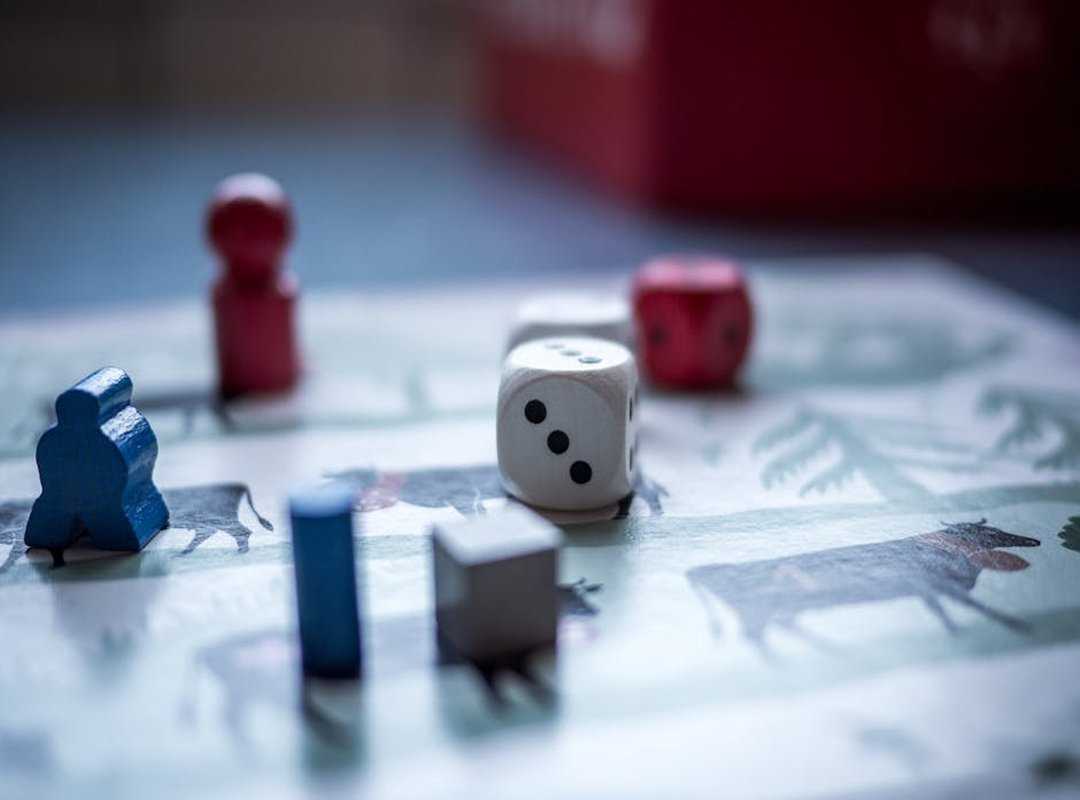
Single elimination? Fast. Brutal.
Great for big crowds and tight schedules. But it punishes one bad match.
Double elimination gives people a real second shot. It’s fairer. It’s also twice the scheduling work.
(I’ve run both. Double elim takes longer than you think.)
Round robin works only if you have under eight players. Everyone plays everyone. No luck.
Just math. And boredom if you stretch it too thin.
Rules must be public. Printed. Posted.
Not buried in a Discord channel.
Your rulebook needs: exact game settings (no “default”. Say “60 FPS cap, no aim assist”), banned characters or weapons (yes, this matters), what happens on disconnect (30-second respawn? forfeit?), and a zero-tolerance line on trash talk.
Someone has to enforce that line. That’s the Tournament Organizer.
They’re not a referee. They’re the final word. No debate.
No “well, technically…”. Just clarity.
I’ve seen events die because nobody owned that role.
The Pblgamevent hosted event by plugboxlinux nailed this. One person held the mic, knew the rules cold, and shut down drama before it breathed.
You can do that too.
Just decide who it is (before) Day One.
Hype Without the Headache
I skip paid ads. They burn cash and rarely move the needle for small game events.
Post your Pblgamevent details where people already hang out. Not on every platform. Just the ones that matter.
Facebook event pages work. So does Eventbrite. Pick one.
Stick with it. Don’t scatter your info across five places.
Local Discord servers? Yes. City subreddits like r/PortlandGaming?
Absolutely. Facebook groups for tabletop nerds in your zip code? Post there too.
(And no, “gaming community” isn’t a group. Be specific. Find the actual server.)
Print flyers. Simple. Black and white.
One QR code linking to your event page.
Ask video game stores. Comic shops. College bulletin boards.
Most say yes if you ask nicely.
Pro tip: Bring tape. And a smile. People remember both.
Your Gaming Event Starts Now
I’ve been there. Staring at a blank calendar. Wondering how to turn “let’s do a gaming event” into something real.
Logistics eat dreams for breakfast. You know it. I know it.
That’s why the four-phase path exists.
Vision first. Then logistics. Then gameplay.
Then promotion.
No magic. Just order.
Pblgamevent works because it’s built on that sequence (not) hype.
You don’t need sponsors to start. You don’t need a venue. You do need clarity on who this is for.
And what makes it yours.
So grab a notebook. Right now. Write down your core idea.
Name one person you’d invite. And why.
That’s Phase 1. Done in ten minutes.
The rest follows.
People show up for passion. Not perfection.
Your move.
 Skye Carpenter is a key contributor at Your Gaming Colony, where her passion for video games and her insightful expertise significantly enhance the platform. Skye's dedication to the gaming community is evident in the high-quality content she produces, which covers a wide range of topics from the latest gaming news to in-depth reviews and expert analysis. Skye's role involves delivering up-to-the-minute updates on industry developments, ensuring that the platform's visitors are always well-informed. Her thorough and honest reviews provide detailed assessments of new releases, classic games, and everything in between, helping gamers make informed decisions about their next play.