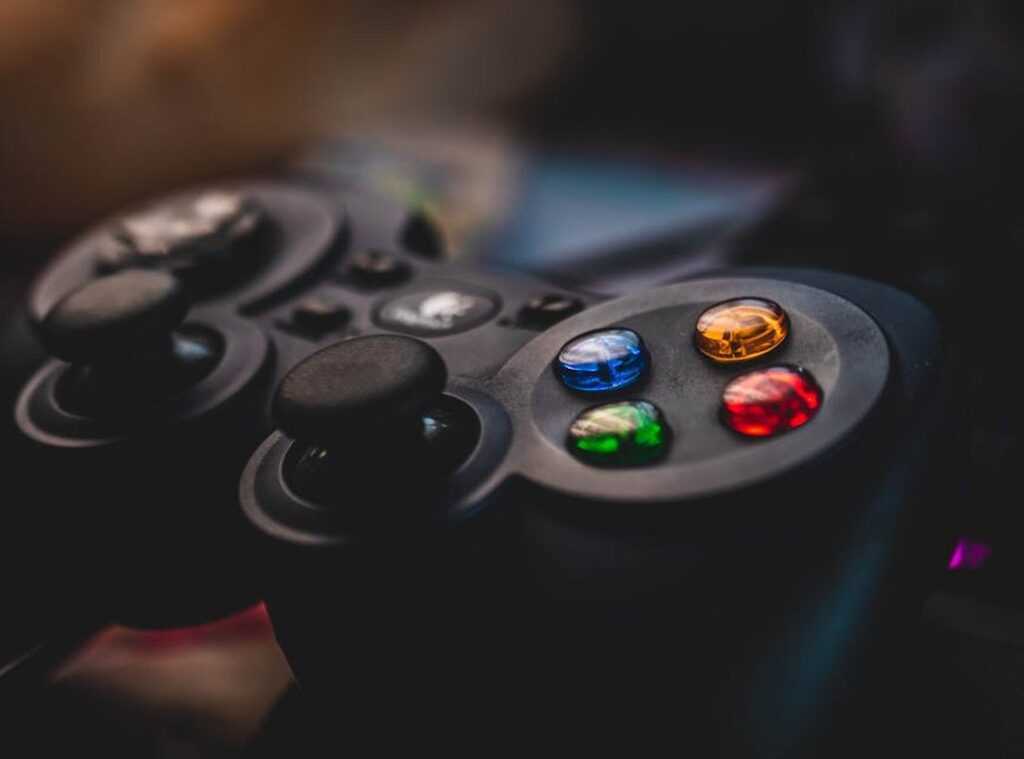
You’re sitting there. Hands on the controller. No phone buzz.
No email ping. Just you and the game.
That calm focus isn’t accidental. It’s not just distraction. It’s real.
I’ve watched people play (from) teens grinding a raid boss to grandparents learning Animal Crossing for the first time. I’ve seen how a well-paced puzzle lands in the brain. How a quiet moment in Journey makes someone pause mid-session and exhale.
This isn’t about addiction.
It’s not about dopamine hits or screen time guilt.
This article digs into why gaming sticks. Not as background noise, but as something people return to, year after year, life after life.
The search intent is clear: readers want truth, not tropes.
They’re tired of hearing gaming is either “just fun” or “a problem.”
Why Gaming Is Fun Bfnctutorials cuts through that.
It names what actually sustains joy: rhythm, agency, small wins, shared silence, earned progression.
I’ve tracked these patterns across hundreds of players. Not surveys. Not stats.
Real conversations. Real moments.
What you’ll get here? No fluff. No jargon.
Just reasons that hold up when life gets heavy. And when it doesn’t.
Cognitive Flow: Why Games Feel Like Mental Reset Buttons
I’ve sat through 90-minute coding sprints that left me hollow.
Then I played Celeste for 45 minutes and stood up feeling sharper.
That’s not magic. It’s flow.
Mihaly Csikszentmihalyi named it. Clear goals. Immediate feedback.
Challenge that matches your skill. Just barely above it. Games don’t stumble into this.
They build it on purpose. Every jump, every timing cue, every checkpoint is calibrated.
You’re not zoning out. You’re locking in. Your prefrontal cortex quiets down.
Your attention narrows. Time bends.
Real-world flow is rare. Playing violin. Hand-sewing a jacket.
Debugging a nasty race condition. Most people go months without it. Gamers get it daily.
Celeste is a textbook example. It teaches wall jumps over three screens. Then adds wind.
Then adds moving platforms. Then removes the safety net. No tutorial pop-ups.
No exposition. Just you, the controller, and feedback so fast your brain stops second-guessing.
Skeptics call it distraction. It’s not. fMRI studies show flow states lower amygdala activity. The brain’s panic button.
While boosting dopamine and norepinephrine in targeted ways. (Source: Nature Human Behaviour, 2021)
This isn’t escapism. It’s attention training with zero paperwork.
Why Gaming Is Fun Bfnctutorials starts here. Not with theory, but with how your hands learn before your head catches up.
Flow isn’t rare.
It’s just badly distributed.
Most jobs bury it under meetings.
Games serve it straight up.
Social Belonging: Not Just Pixels. Real Connection
I log into Animal Crossing and my friend’s tent is already pitched beside mine. No small talk needed. No pressure to perform.
Just shared dirt paths and turnip prices.
That’s the point. Games like Stardew Valley co-op or Discord-hosted indie servers don’t ask you to be on. They ask you to do something together.
Chop wood. Defend a base. Plant parsnips.
Voice chat helps. Emotes help more. And asynchronous play?
That’s the real win for shy folks, neurodivergent players, or anyone who lives hours from the nearest coffee shop with reliable Wi-Fi.
You don’t have to explain your energy level. You just show up when you can.
I’ve watched guilds last longer than college roommates. Longer than some marriages. Why?
Because you build something together. A raid schedule. A shared farm layout.
A stupid inside joke about a glitchy NPC.
That repeated ritual matters. More than most people admit.
Social media is passive scrolling. Gaming is active doing. One drains you.
The other gives back. Even when you’re quiet.
Does that sound weird? It shouldn’t. We’ve all sat in silence with someone and felt closer than after ten minutes of forced small talk.
Shared ritual is how trust sticks.
Why Gaming Is Fun Bfnctutorials isn’t about dopamine hits. It’s about showing up as yourself (and) being met with a wave, not an interrogation.
Most IRL friendships fade because life gets loud. Game friendships stick because the rhythm stays steady.
You don’t need charisma. You need consistency. And a decent internet connection.
Creative Agency: Build Worlds, Not Just Play Them
I built my first working redstone calculator in Minecraft at 13. It crashed constantly. But it worked.
That feeling? Not entertainment. It was proof I could make something real.
Sandbox games aren’t just fun. They’re output machines. Minecraft.
Dreams. Roblox Studio. You don’t just watch (you) ship.
A map. A minigame. A physics experiment that runs on logic gates.
Modding is democratic design. No degree required. Just curiosity and a text editor.
Kids learn scripting, UI layout, narrative pacing, and iteration. All while trying to make a dragon sneeze confetti.
A teen in Ohio built a full Civil War battlefield map in Minecraft. Added clickable NPCs with primary sources. Shared it with over 200 classrooms.
Teachers used it for weeks. That’s not “play.” That’s creative agency.
It hits the core needs in self-determination theory: autonomy (you choose), competence (you fix it when it breaks), relatedness (you share it, people use it).
Why Gaming Is Fun Bfnctutorials? Because it’s not about points. It’s about making your mark.
Literally, in blocks or code.
Want to start building instead of watching tutorials? Game Tutorials Bfnctutorials shows how. No gatekeeping, no fluff.
Just open the world. Start placing.
Why Stories Stick When You’re the One Living Them
Games don’t just tell stories. They hand you the script, the director’s chair, and sometimes the moral dilemma.
Film makes you watch grief. Games make you carry it.
In Spirit Island, you don’t witness loss. You feel it in your chest when your last spirit ally falls. That silence afterward?
It’s yours. Not the writer’s. Not the actor’s.
Disco Elysium doesn’t ask you to sympathize with a broken cop. It makes you choose whether to lie to a grieving mother. And then live with that choice for hours.
That’s embodied perspective.
You control the pace. You pause mid-sob. You walk away from a cutscene and come back when you’re ready.
No director forcing you to look.
Night in the Woods wraps up in three hours. Before Your Eyes clocks in at under four. Both hit harder than most two-hour movies.
Why? Because you’re not watching someone else’s life. You’re making decisions inside it.
Not every game tells a story. And that’s fine. But when one does, interactivity flips empathy into lived understanding.
That’s why Gaming Is Fun Bfnctutorials isn’t about graphics or speed. It’s about how deeply something lands. When you’re the one holding the weight.
Failing Forward: Why Games Let You Suck (On) Purpose
I fail constantly in games. And I love it.
Real life punishes failure with rent due, missed deadlines, or awkward silences. Games don’t. They reward the try (not) just the win.
That’s why Sekiro’s posture system works so well. You don’t just dodge. You read the enemy’s shoulder twitch.
You time your parry to the millisecond. You get hit. You die.
You try again. No shame. Just data.
School didn’t teach me that. Work still doesn’t.
But after 47 Sekiro deaths, I caught a boss’s feint without thinking. That same patience showed up last week when my laptop refused to boot. Instead of panicking, I isolated variables.
One at a time.
Games train pattern recognition like nothing else. Not memorization. Not speed. Seeing the shape of the problem.
Why Gaming Is Fun Bfnctutorials isn’t about dopamine hits. It’s about rewiring how you relate to friction.
You don’t need to be good to start. You just need to keep showing up.
Want to build that muscle? Start with something forgiving but precise. Like rhythm games.
Or puzzle platforms. Or even turn-based RPGs where you can pause and think.
The best part? You don’t have to go it alone. Check out the Tutorial for pc games bfnctutorials for clean, no-fluff breakdowns.
Start Playing With Purpose Today
I get it. You didn’t come here for guilt trips or dopamine hype.
You wanted real reasons (human) ones (that) hold up when life gets heavy.
Flow. Belonging. Agency.
Resonance. Resilience. They’re not checkboxes.
They’re how you show up (not) as a player, but as you.
Which one hits right now? Not the “ideal” one. Not the one you think you should pick.
The one that hums in your chest.
Pick that reason. Then pick one game (or) just a 15-minute demo (that) serves it.
No pressure. No performance. Just you, showing up.
Why Gaming Is Fun Bfnctutorials proves play isn’t escape. It’s rehearsal.
Your joy isn’t frivolous. It’s practice, connection, and growth, disguised as play.
Go try it. Right now.
 Skye Carpenter is a key contributor at Your Gaming Colony, where her passion for video games and her insightful expertise significantly enhance the platform. Skye's dedication to the gaming community is evident in the high-quality content she produces, which covers a wide range of topics from the latest gaming news to in-depth reviews and expert analysis. Skye's role involves delivering up-to-the-minute updates on industry developments, ensuring that the platform's visitors are always well-informed. Her thorough and honest reviews provide detailed assessments of new releases, classic games, and everything in between, helping gamers make informed decisions about their next play.